

Exploring Monochrome vs. Color in Photography

Chosen theme: Exploring Monochrome vs. Color in Photography. Welcome to a journey where tone and hue shape emotion, story, and memory. We’ll compare how black-and-white sculpts light and texture while color amplifies mood and context. Subscribe, share your experiments, and join the conversation about when to strip away color—and when to let it sing.

When Monochrome Whispers, When Color Sings

Monochrome condenses emotion into light, shadow, and texture, often heightening drama and timelessness. Color adds cultural signals, atmosphere, and temperature. Ask yourself which version best strengthens the message you want the viewer to carry away.

A Brief History: Film Roots To Digital Freedom

Early photographers embraced monochrome due to technical constraints, mastering tonal control. Color matured later, expanding storytelling palettes. Digital tools now let you decide after capture, but the best results still come from pre-visualizing your final intent.

In-Camera Decisions

Shoot RAW to maximize latitude. Set a monochrome preview if you want to pre-visualize tones, but keep color data. Expose for highlights in bright scenes and watch the histogram carefully to protect essential detail.

Editing For Tone Or Color

For monochrome, shape luminance using channel-based conversion, selective contrast, and careful midtone control. For color, prioritize white balance, hue relationships, and gentle saturation. Resist overprocessing; aim for clarity, coherence, and believable light.

Printing And Papers

Monochrome often shines on matte or baryta papers with deep D-max and smooth gradients. Color work can sparkle on glossy or luster finishes. Calibrate, profile, and test small prints, then share which pairings matched your vision best.

Composition Strategies For Each Approach

Seek side light, bold silhouettes, and repeating patterns. Train your eye to notice micro-contrast and the way textures stack. Ask if removing color strengthens form, then invite feedback on whether your frame feels more focused.

Composition Strategies For Each Approach

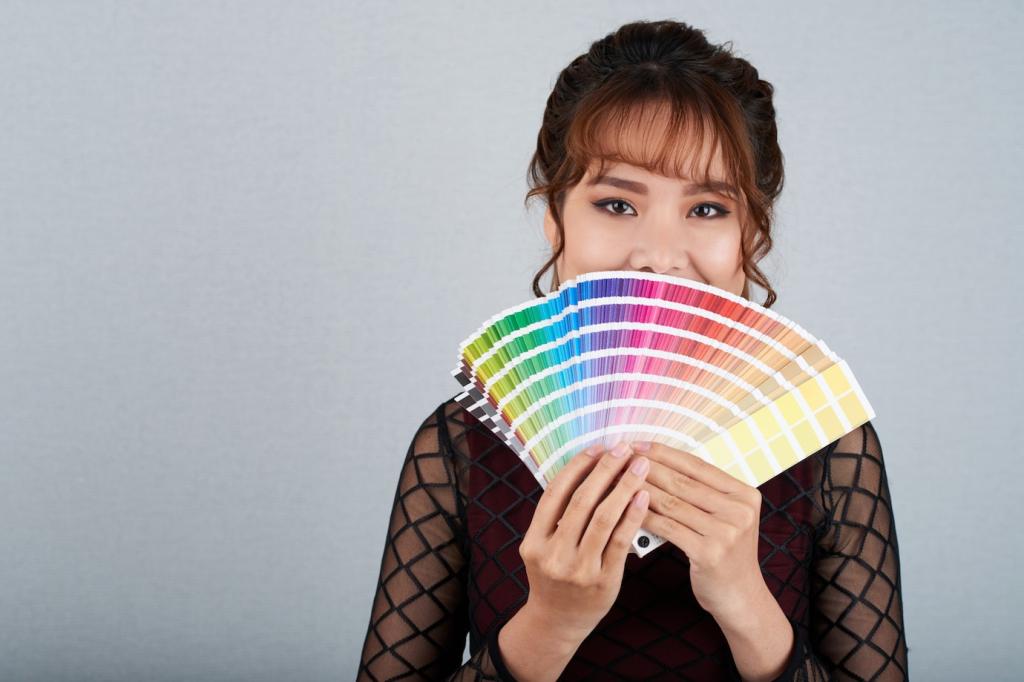
Use complementary colors for energy, analogous palettes for calm, and accent colors to guide attention. Limit your palette intentionally to avoid chaos. Post an image using just two dominant hues and describe your choices.
Genres Compared: Portrait, Landscape, Street

Monochrome emphasizes expression, texture, and gaze without color distractions; it can also flatter mixed lighting. Color reveals mood through wardrobe, environment, and subtle warmth. Which version better honors your subject’s story today?

Genres Compared: Portrait, Landscape, Street

Color captures seasonal identity, golden-hour warmth, and alpine blues. Monochrome distills grandeur into light and contour, thriving in stormy skies or fog. Try both at the same location and discuss which conveys scale more convincingly.

Post-Processing Deep Dive

Avoid one-click grayscale. Use channel mixer or luminance masks to sculpt tonal separation between sky, skin, foliage, and architecture. Dodge and burn subtly to guide the eye without revealing the hand of the editor.

Exercises To Train Your Eye

Photograph a single subject and produce both a monochrome and a color final. Analyze differences in emphasis and emotion. Share both versions side by side and ask viewers which story they felt more strongly.

Exercises To Train Your Eye

Create a color image using only two dominant hues and one accent. This constraint clarifies priority and balance. Post your palette choices and describe how the limitation improved your composition.
Pawzitrack
Privacy Overview

This website uses cookies so that we can provide you with the best user experience possible. Cookie information is stored in your browser and performs functions such as recognising you when you return to our website and helping our team to understand which sections of the website you find most interesting and useful.