

Enhancing Mood with Color in Your Photos

Chosen theme: Enhancing Mood with Color in Your Photos. Step into a world where hues whisper feelings and tones tell stories. Learn how to shape emotion with color, and join our community by sharing your images, leaving comments, and subscribing for fresh color-driven inspiration.

The Emotional Language of Color

Warm colors like amber, rust, and coral often feel cozy, nostalgic, and inviting, while cool tones like teal, slate, and lavender suggest calm, spaciousness, or distance. Compare both on a single scene and tell us which feeling your audience described first.

The Emotional Language of Color

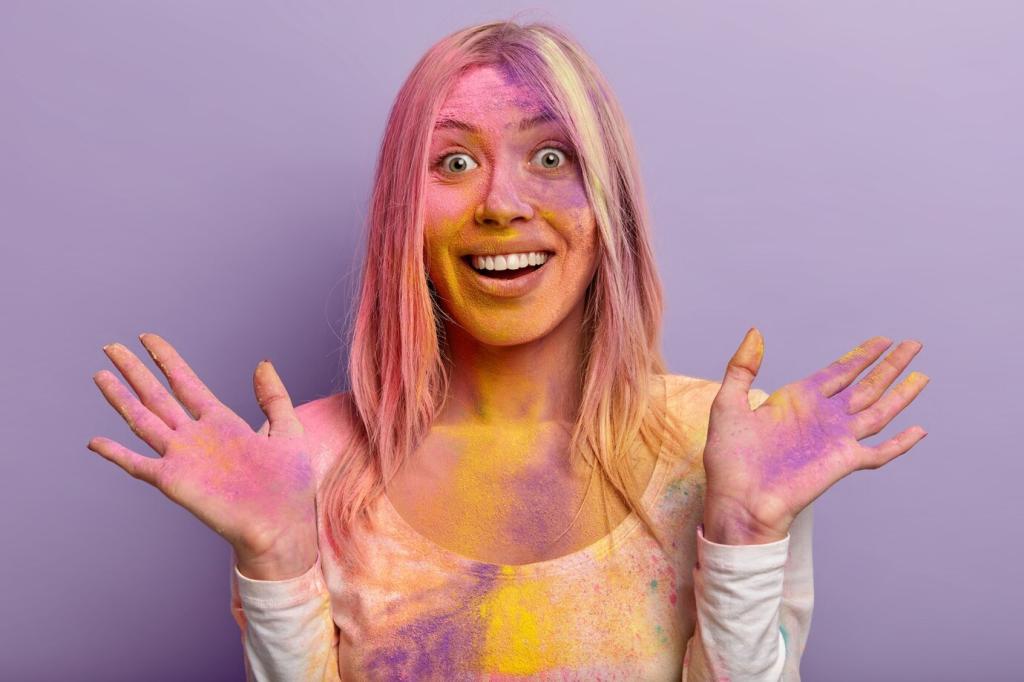
High saturation can energize, provoke, and demand attention; lowered saturation whispers tenderness, unspoken thoughts, or melancholy. Try intensifying only one accent color to direct emotion, then share your before-and-after to show how your intent changed perception.

Designing Your Mood-First Palette

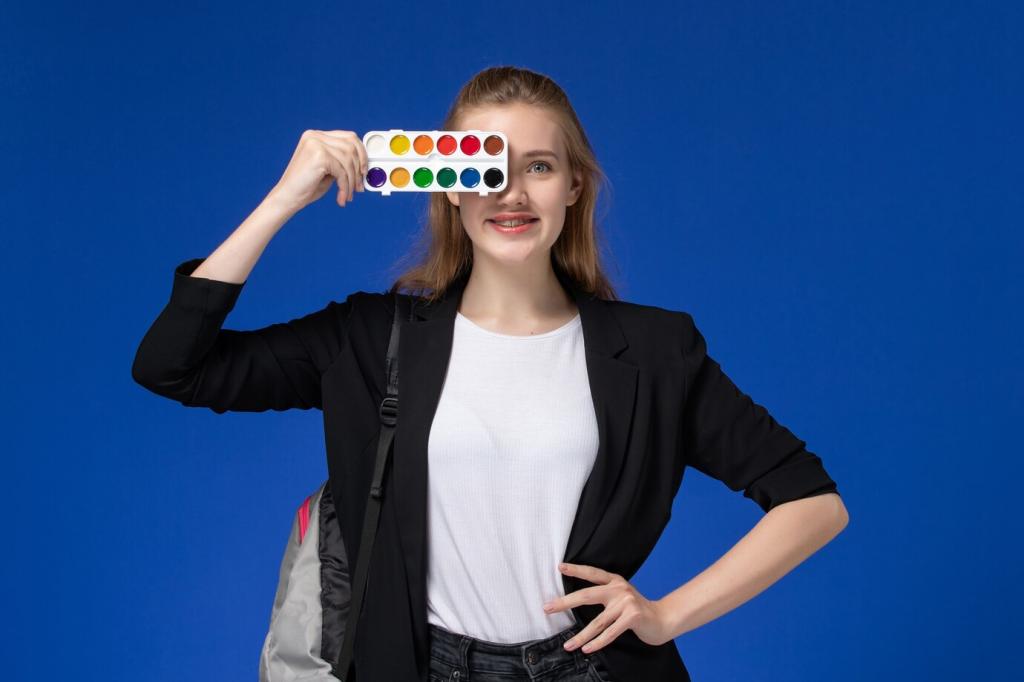
Build a mood board with three roles: a primary tone for the emotional foundation, a secondary to support context, and a restrained accent to guide attention. Share your triad palette and the emotion you hope people will name first.
Golden hour warms oranges and magentas for comfort; overcast days soften blues and greens for contemplative quiet. Choose locations and wardrobe that echo your palette so color feels intentional, not accidental. Tell us your go-to weather for emotive color.
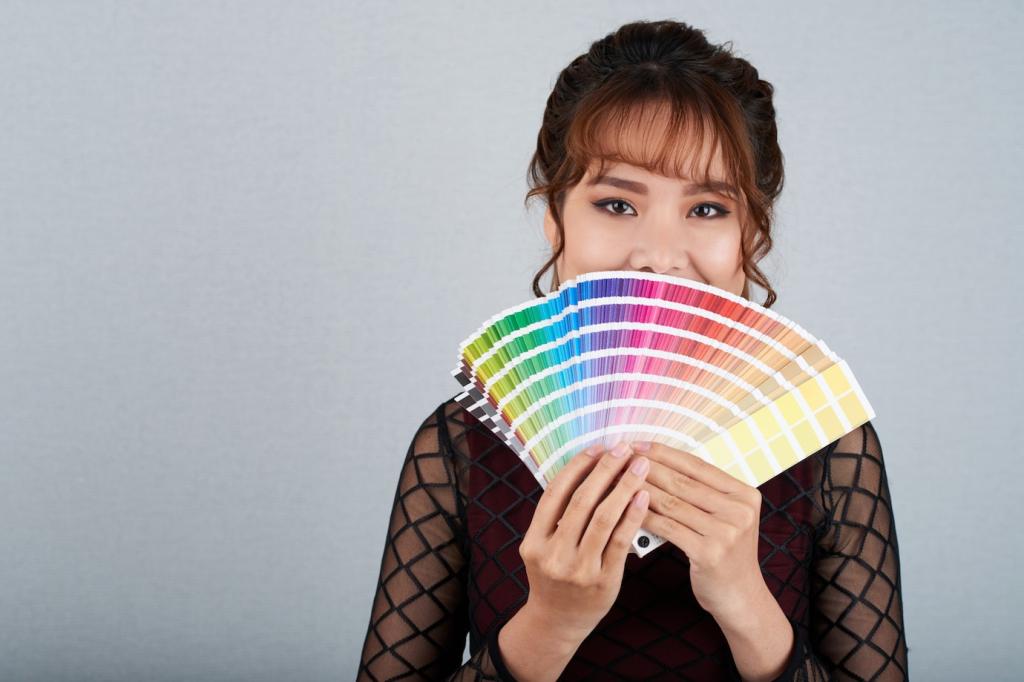
Try Adobe Color, Coolors, or a palette picker from a reference image. Lock your choices before the shoot to avoid visual drift. Post your palette screenshot and finished photo to inspire others planning mood-forward sessions.

In-Camera Color Control

Instead of relying on auto, dial Kelvin to taste. Warmer settings add intimacy to portraits; cooler settings deepen reflective or mysterious scenes. Save a custom preset per location and share which Kelvin range defines your style.

Editing to Amplify Feeling

Nudge hue, saturation, and luminance selectively to protect realism while guiding feeling. Mask skin to keep tones lifelike as backgrounds shift expressive color. Show your HSL panel settings and describe how each change served the mood.

Editing to Amplify Feeling

Warm highlights with subtle apricot, cool shadows with midnight blue, and keep midtones neutral for balance. Light touch matters; heavy grading can flatten nuance. Share a screenshot of your wheels and the emotion they aimed to evoke.

Storytelling Through Color Scenes

Start with muted cools to introduce distance, transition to balanced neutrals as characters connect, and resolve with warm accents for hope. Try this three-act palette on a portrait series and tell us how your audience described the journey.

Avoiding Common Color Mistakes

Excess saturation flattens subtle emotion and causes channel clipping. Compare a restrained edit to a heavy-handed version and ask viewers which feels more believable. Subtlety keeps viewers engaged longer and deepens emotional resonance.

Avoiding Common Color Mistakes

Tungsten plus daylight can create muddy skin and confused mood. Gel to match sources or block one entirely. If mixing is intentional, separate zones clearly. Share a before-and-after showing how you tamed competing color temperatures.

Avoiding Common Color Mistakes

A miscalibrated monitor or auto-vivid phone mode can betray your intent. Calibrate monthly and test on multiple devices. Invite readers to subscribe for our upcoming checklist on dependable, mood-safe color workflows.

Exercises to Train Your Color Eye

Pick a palette and collect five scenes that naturally fit it—no editing crutches allowed. Arrange them into a cohesive grid and post with a short caption about the feeling. Tag us so we can share your set.

Exercises to Train Your Color Eye

Choose a single hue and explore its range from pale highlights to deep shadows. Notice how context alters emotion. Publish your favorite frame and ask your audience what they felt before reading your caption.
Pawzitrack
Privacy Overview

This website uses cookies so that we can provide you with the best user experience possible. Cookie information is stored in your browser and performs functions such as recognising you when you return to our website and helping our team to understand which sections of the website you find most interesting and useful.